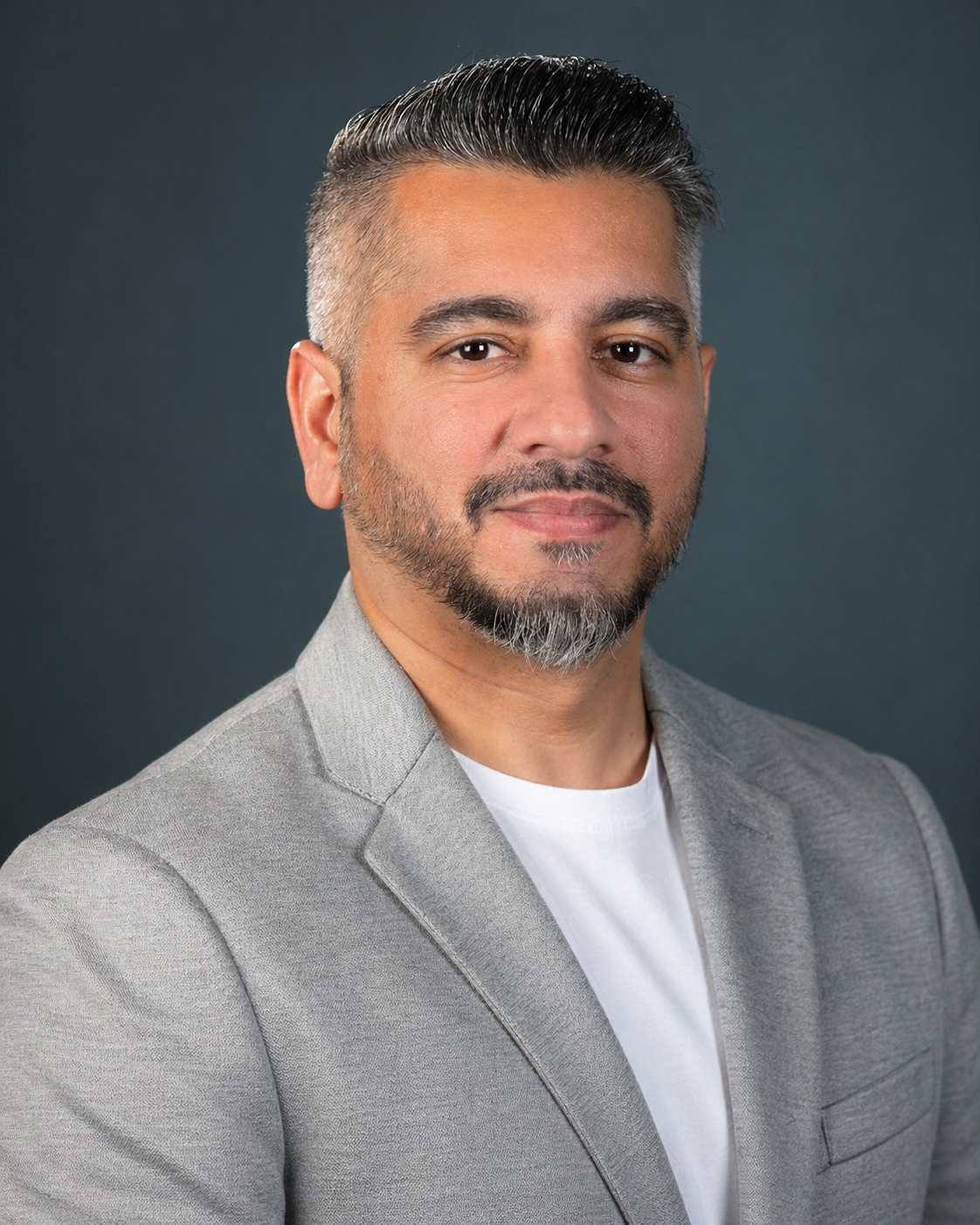
I’ve built it, sold it, signed it and run it.
I started in infrastructure and engineering. Today I work across technology, customers, commercial decisions, contracts, teams and operations — usually where several of those collide.
Usually, the difficult part isn’t the technology. It’s understanding the real problem, making the decision and getting it executed.
The work sits where five things meet — and usually disagree.
I have been the engineer expected to make it work, the architect designing it, the consultant explaining it, the team delivering what was promised — and the executive accountable when those things don’t line up.
Technology
Does it work — and can it actually be operated?
Business
Does it serve what the company is actually trying to do?
Commercial reality
Is it priced, committed and contracted correctly?
Operations
Can the organisation carry it, day after day?
Execution
Will it get done — and still work a year from now?
The same problems, from eight different seats.
This is not a timeline. Each seat changed what I notice — together they’re why I read a situation the way I do. Explore a seat.
Now the outcome is mine — the customer, the margin, the people, and the architecture underneath.
Each seat added a lens. None of them went away.
Hands-on infrastructure to business leadership — layer by layer, not instead of.
Formed in enterprise environments including Cisco, du and UAE government technology projects · Operating across UAE · Saudi Arabia · Pakistan · Customers and partners across the Middle East, US, Europe and Asia
How I think about a problem
A technical problem is usually also a cost, ownership, customer or contract problem.
A business decision still has to survive being implemented.
So I usually begin with questions.
I prefer practical answers to impressive ones.
Pick a situation. See where I’d look.
The symptom usually shows up in one place. The cause is often two lenses away. This is roughly how I walk the map before recommending anything.
Usually it’s more than that: a scope, ownership and commercial alignment question.
Illustrative situations. Not client specifics.Is the platform genuinely the bottleneck, or is the dependency map incomplete?
Which milestone became unrealistic first?
Who on the customer and delivery side actually owns each dependency?
What was originally communicated compared with what is happening now?
Was the scope sold before the architecture was sufficiently understood?
Do the milestones and commitments actually match the signed agreement?
Re-baseline scope, ownership and delivery/payment milestones in one conversation — not three separate ones.
A DELIVERY PROBLEM: Re-baseline scope, ownership and delivery/payment milestones in one conversation — not three separate ones.
A cloud migration is not just architecture.
Architecture matters. It also sits inside a commercial and operating system that decides whether the design survives contact with the customer.
Situations, not logos.
Managed services priced below what delivery actually cost
My role: commercial and operational leadershipA DR programme scoped as infrastructure but blocked by ownership
My role: architecture and governanceThe questions before anyone opens a model.
Many AI opportunities turn out to be workflow, data and accountability questions before they are model questions.
Where does it genuinely improve the business?
Which repetitive work does it actually remove?
What does the model see — and where does it go?
What do privacy, customer and vendor agreements allow?
What happens when it is wrong?
Who remains accountable for the outcome?
Things I’m thinking about.
Why the cheaper proposal usually costs more in year two.
Cost rarely disappears in a vendor comparison. It moves — into your team, your support model and your renewal. A way to price the next three years honestly.
COMING SOONSized to the question.
From one focused conversation to embedded operating leadership.
Indicative USD pricing. Scope and commercial terms are confirmed in writing before work begins.
Focused session
One question, one hour. Context beforehand and a short follow-up afterwards.
Decision session
I review the proposal, architecture, commercial model or options beforehand. You receive a short written decision summary afterwards.
Operations & technology diagnostic
A focused review, ending in a prioritised action plan.
Delivery · cloud cost · resilience · ownership · operating model · governance · customer commitments · execution risk
Mentoring
For technologists and emerging leaders moving from technical responsibility into leadership, commercial responsibility and broader decisions.
Advisory retainer
Ongoing outside perspective, without adding headcount.
Technology · operations · commercial decisions · customer situations · delivery · leadership · management cadence
Embedded leadership
Fractional or embedded operating leadership, when the organisation needs execution alongside leadership.
Operating-model design · management cadence · customer escalation · commercial decisions · governance · execution discipline · accountability
Where contracts are discussed, my perspective is commercial and operational — not legal advice.